
Dial it in Design
We’ve all seen it. The dial it in design. Whether the work of a builder, landscaper or overwhelmed homeowner these gardens are everywhere. Typical dial it in designs go something like this: put tall things on the corners, round things in the middle and add a few triangular things. This triangle/meatball design process is sad because it overlooks so much.
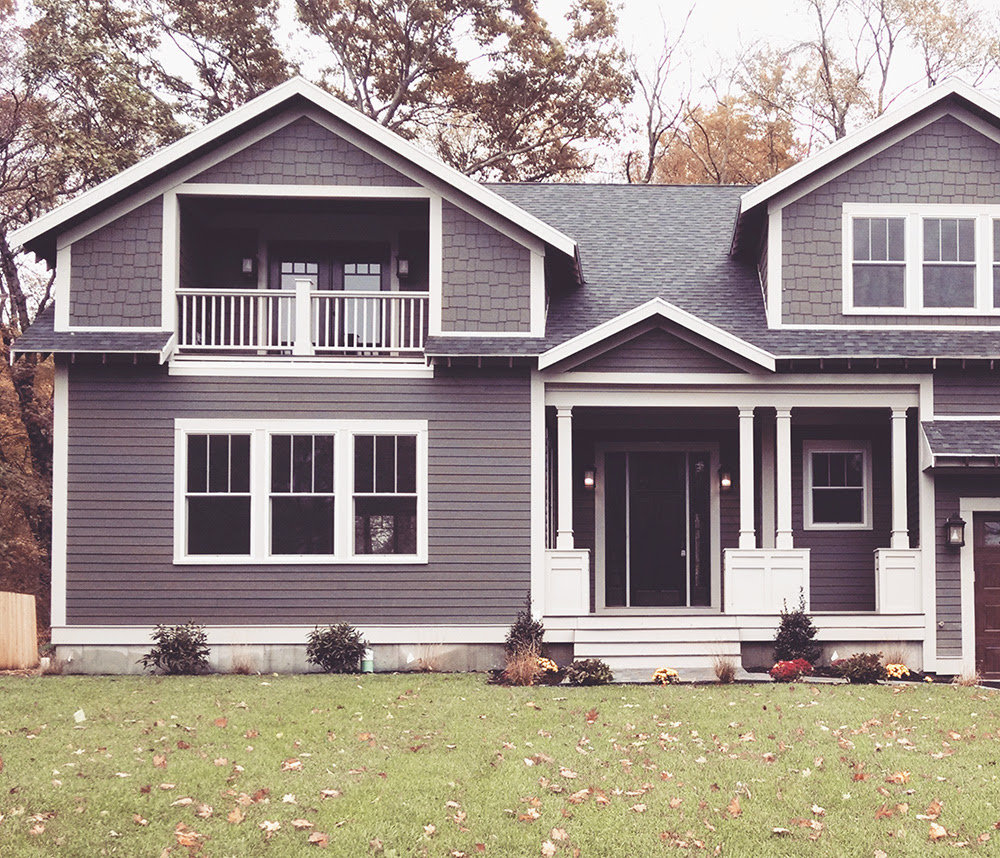
I enjoy designing gardens and I am proud to say that no two are ever the same. That’s because I want each garden to feel personal to my clients. It should reflect their style, their colors, their vision. I am sure there are programs out there where you can input dimensions and have a landscape created personally for you. But how personal is that? By spending time with my clients I understand what is important to them. If they are away a good part of the summer I will incorporate more spring and fall bloomers. If they want low-maintenance I will forego roses and delphinium. If they have shade I will focus on beautiful textures rather than lots of color. If they have small children (and even if they don’t) I will use native plants to attract birds and pollinators.
I recently took on a design job of a new build. The home was beautiful and I was excited to make the outside as wonderful as the inside. I met with the client and talked about style, maintenance, colors, etc. It was a good meeting and I couldn’t wait to get to work.
Imagine my surprise when I returned to the site a few weeks later to find that the builder had added plantings. They weren’t horrible – pointy things on the corners, round things in the middle and a few triangular things. And a lot of black-eyed Susans which I knew would not thrive in the shady garden. Large evergreens were planted adjacent to the patio for privacy. I was planning on planting for privacy but had envisioned more of a mixed border.
My design had called for the view out the window to incorporate a beautiful fastigiate beech in a plum color that would echo the beautiful painting of trees over the fireplace. Now the view was simply green.
Your home should reflect you. Why settle for cones and meatballs when there is a whole beautiful world of plants out there? If you don’t know where to start give me a call and set up a consult.
H2Ohhhhh
In New England this has been a ridiculously hot, dry summer. It goes without saying that the need for water is greater than it has ever been. Not only for you as you are working in your garden but also for your plants. I have a client who went away for the summer. Unfortunately, he didn’t think that the garden would need water. This is a new garden and although I planted drought-tolerant plants I explained that especially the first year the plants would need regular water. Sadly he did not hear me and a recent garden check left me heartbroken. So many beautiful plants barely holding on. The soil was dry as dust.
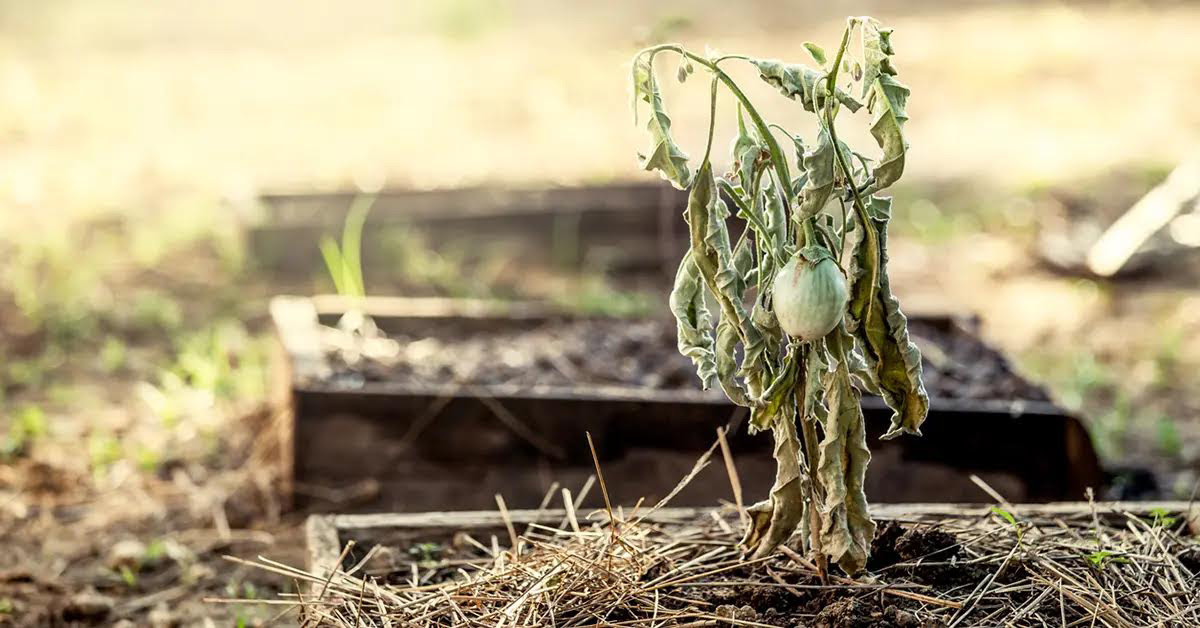
Please make sure that your gardens and containers are getting ample water. Don’t think that any occasional rain lessens your responsibility. Often if the rain is heavy it rolls right off the surface and into the storm drain. If you are fortunate to have an irrigation system, make sure it is working correctly. A brown spot on the lawn or an area of the garden that is not looking great could be an indication of a problem. Since many systems run very early in the morning you might not always spot a problem with one of the sprinkler heads.
Speaking of early morning, it is the best time to water. Water can sink in without evaporating as it would in the heat of the day. Watering late in the evening is not good as moisture will stay on leaves and blades and can cause mildew or fungus. And hand watering is rarely a good idea. Unless you plan to stand and water for hours that is. A better idea is to set up a sprinkler and leave it for a few hours. You can always dig into the soil to see how deeply the water has penetrated. Soaker hoses are also a good idea and will deliver water right to the root zone.
Most gardens need about 1” of rain per week; a good rain gauge can determine if you need to water.
Happiness is just two feet away.

Among all the great questions – “why are we here?” “is there life on other planets?” “what happens after we die?” I believe there is another we have yet to ask – “why did we stop skipping?”
The other day as I was out running errands I stopped at a light and, because it was a long light, I had time to look around, or “observate”, as my brother often teases. There were the young moms clutching their coffees, the store window signs that heralded “We’re open”, the teenagers in the Jeep next to me with the music too loud. I was just about to give them the evil eye because they were texting when something caught my eye. Two young boys, ice cream cones in hand, were skipping down the sidewalk. Skipping. As in see how high you can get your knees up, laugh -out-loud skipping. I watched as their father tried to keep up and started giggling. Didn’t he know that walking, even fast walking, can never trump skipping. Skipping is so much faster and more fun. And then I remembered when I used to skip. At first it was difficult and required me to really practice and pay attention. Kind of like when I try and do “the floss” dance move!
For some reason over time we have stopped skipping but I wonder what would happen if we started back again. I dare you to try and skip without smiling; it can’t be done. And for better or worse I bet when people see you skipping, they will smile. We have so many things to bring us down and as a result many of us move about in a depressed Eeyore-like shuffle that is worse than a teenager on the first day of school. To lighten our mood, we don’t need more drugs, we don’t need more time at the gym, we don’t need anything else that promises to make us happy. I think what we really need is just two feet away.
Mid-Century pollinator pad
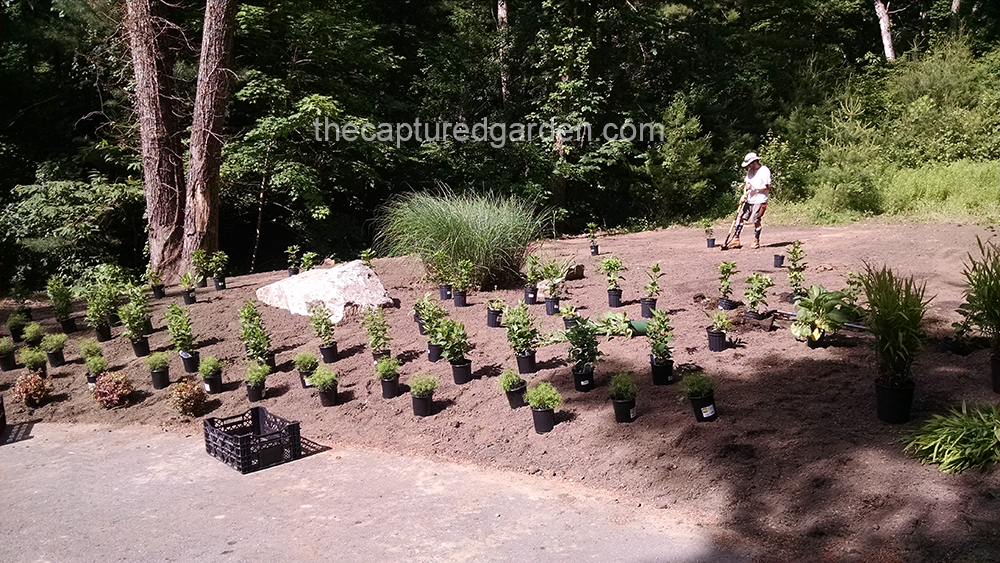
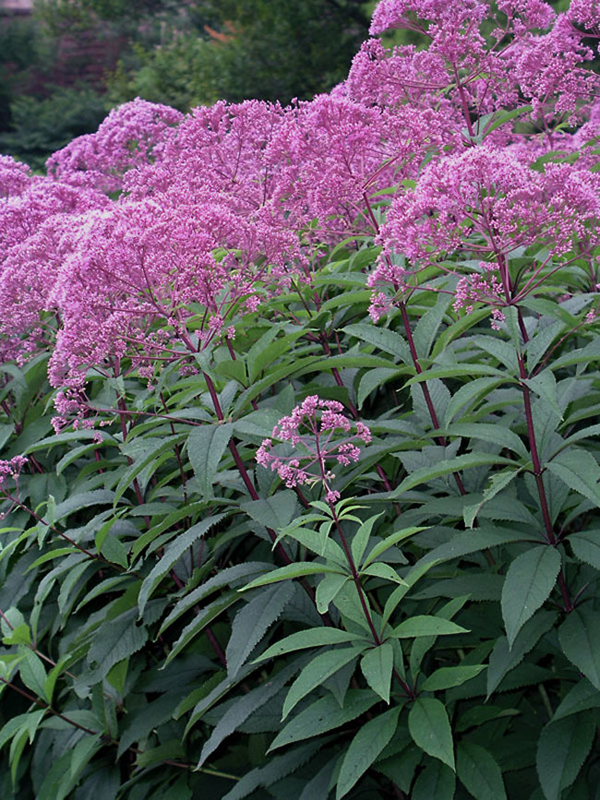
One of our latest projects involved turning a messy, weedy area at the base of our client’s steep driveway into a contemporary pollinator garden. The style of the house is mid-century modern, so we kept our design very linear and planted in rows of material. We started with a tall Joe Pye weed (eupatorium maculatum) and fronted that with wild quinine (parthenium integrifolium). Next came a row of agastache and then in front coreopsis. Finally, we planted sedum ‘Fuldagut’ and allowed it to wander down the slope a bit.
Planting in blocks is best for pollinators since it makes plants easier to see and also helps them to conserve energy while foraging. A planting like this is also conserving energy for the homeowner since all these plants are low maintenance and, once established, will do well in hot, dry conditions. By designing with perennials, which die to the ground in winter, we will minimize any damage that could be done by the snowplow as it comes down the drive.
I am excited by the potential this garden has to help all kinds of pollinators. Before we had even started digging, while we were arranging plants, a few butterflies came by. That’s always a good sign!
Eeeewwwwwww.
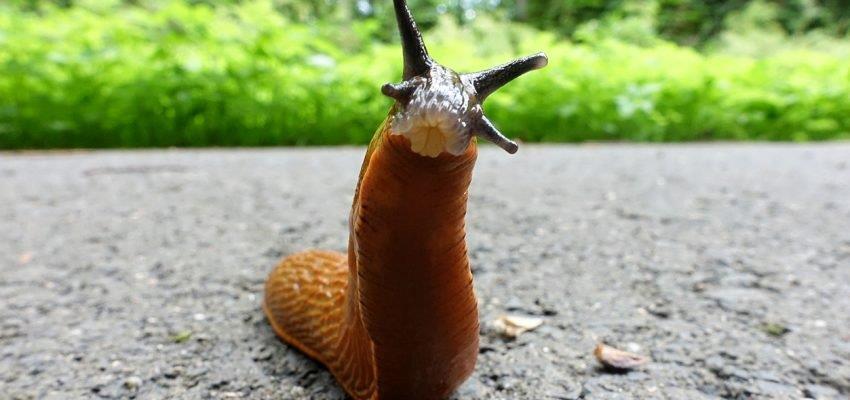
As slimy as slugs are there are some pretty cool facts about them you might not know. Read on to ensure an exciting conversation at the dinner table tonight!
-
One slug can have up to 90,000 grandchildren. (You want to knock Grandma and Grandpa out fast so get that slug deterrent down early. Now is a good time as hosta shoots are starting to poke out.)
-
A slug’s blood is green!
-
Slugs can live for up to 6 years.
-
A slug has 27,000 teeth – more than a shark!
-
Only 5% of slugs are above ground at any one time, meaning there are a lot more we DON’T see.
For more on slugs, as well as ways to prevent them and other pests, schedule my presentation, “Tips, Tricks and Trade Secrets.”
Follow Us!