
A look back. A look ahead.
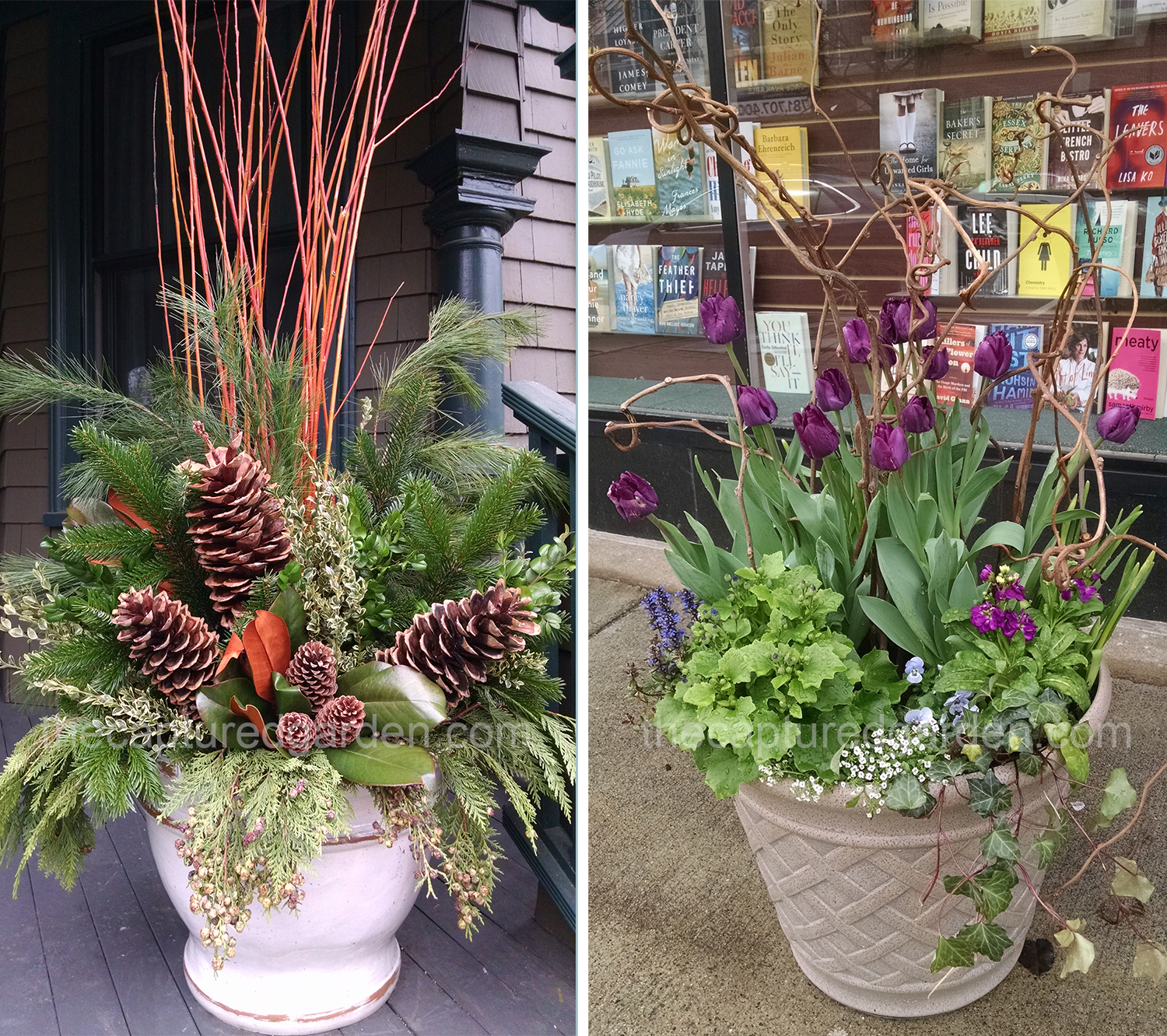
During the somewhat quieter winter months I look back and take stock of the previous year. I spend a lot of time going over photos and looking at combinations. I evaluate what worked and what didn’t. I make a list of what plants I will use again and which ones I will send packing. This winter was another challenging one as Thanksgiving was late and time for decorating was compressed. Thanks to a great team all was done before the dreaded hard freeze.
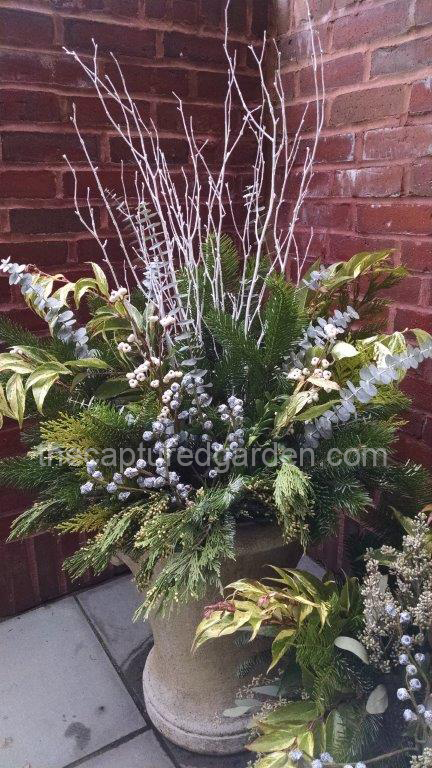
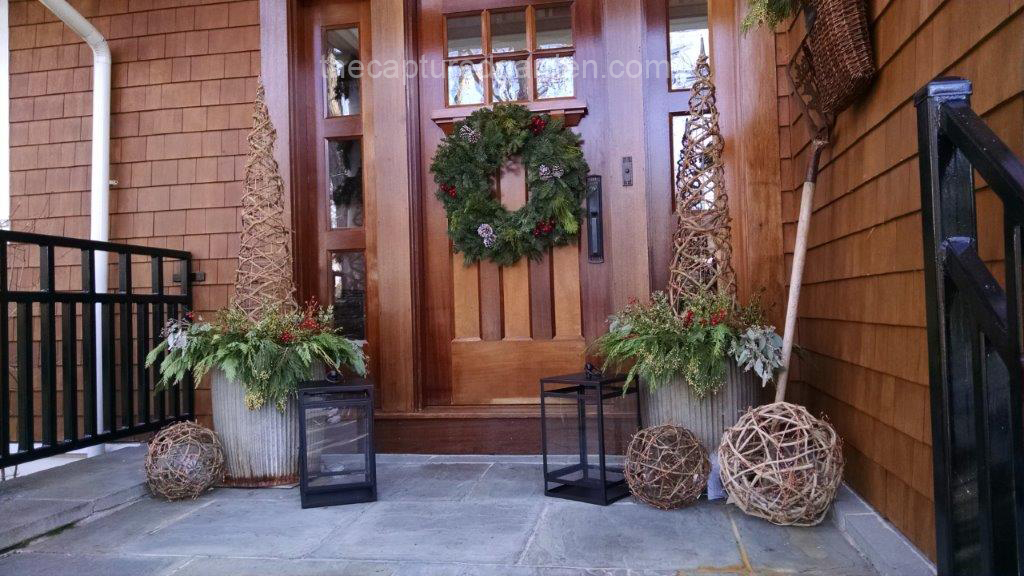
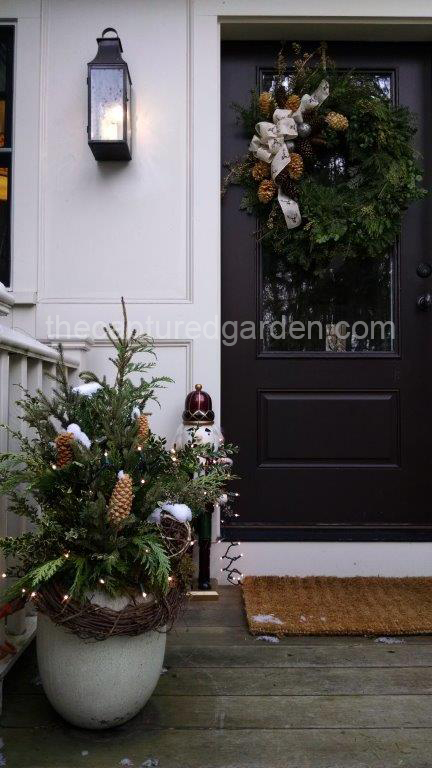
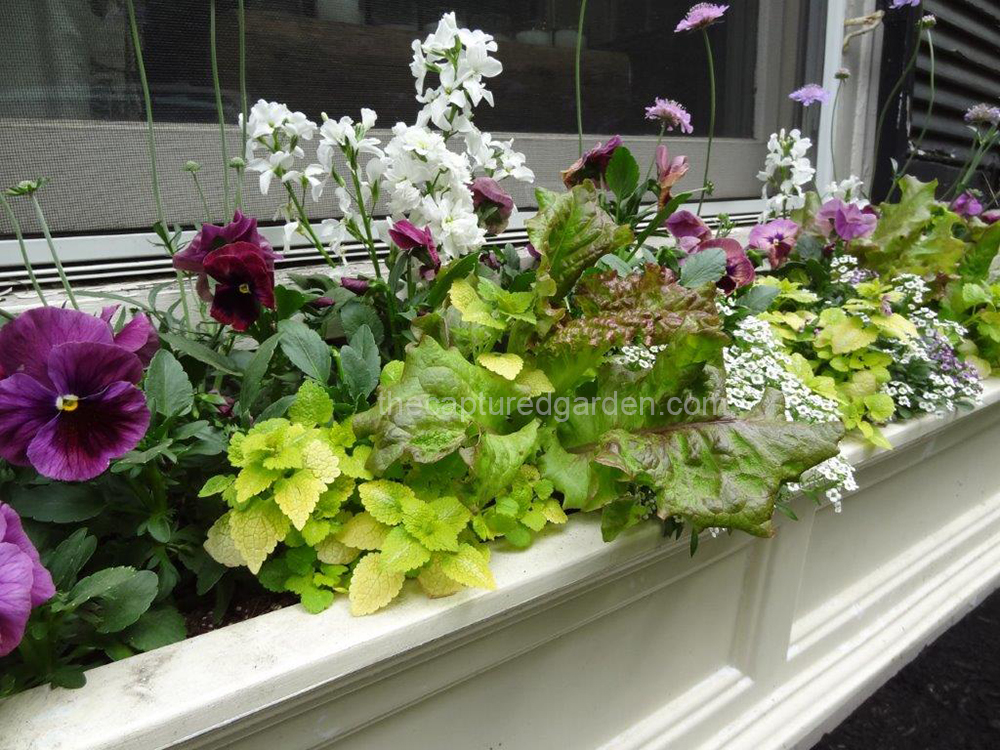
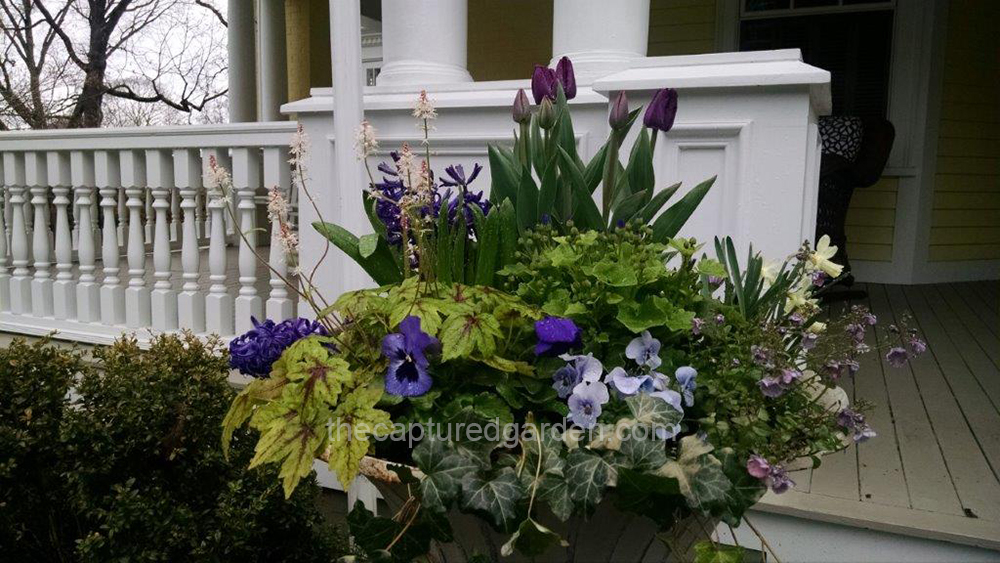
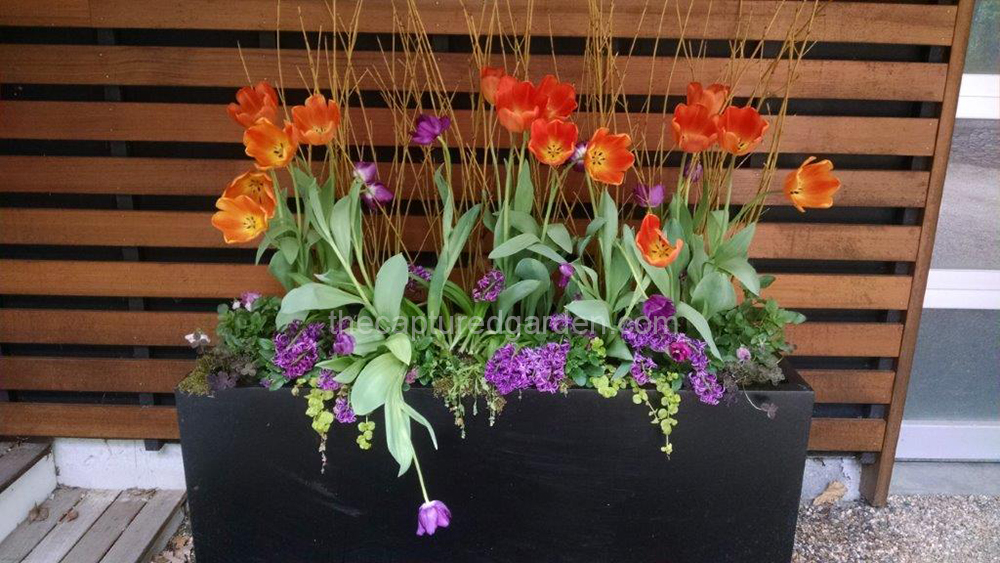
This time of year I am not planting, rather planning. As I look forward to spring I gather info from previous seasons and make notes of what we will do. Client’s suggestions, color schemes and even dates of special events are made note of and become part of the overall design plan. Of course, as with all planning, flexibility is key. If I build a whole design around a certain plant and it is unavailable or not healthy, we need to quickly switch to Plan B. I love these spring projects from our portfolio and hope they inspire you in your planning.
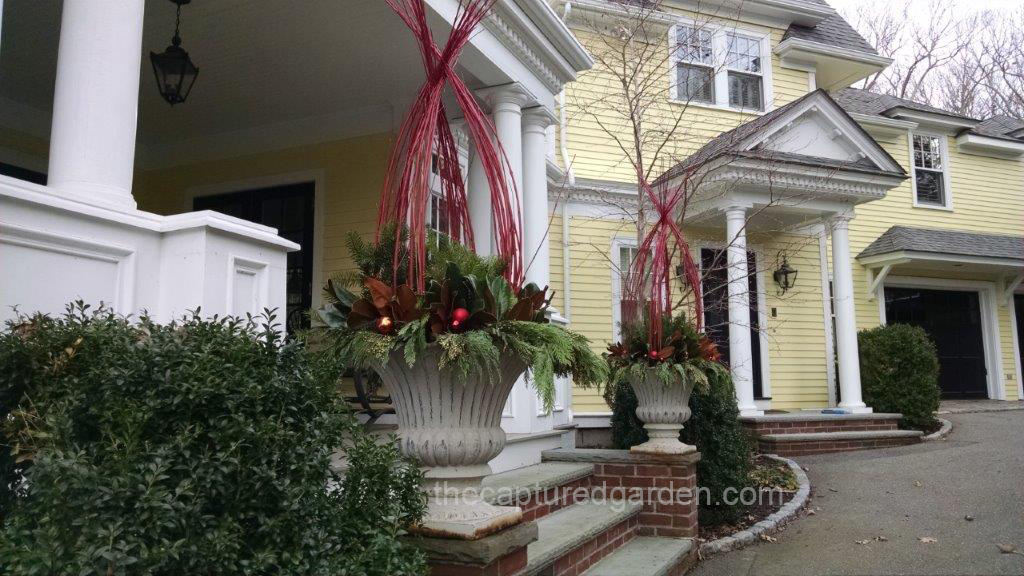
Winter containers



Spring containers


Fall is the Berries.
Many people associate fall with beautiful foliage. Here in New England we are certainly blessed with leaves that run the gamut from yellow to peach to orange to red to burgundy to…well, you get the idea. A road trip to “leaf peep” reveals one breathtaking vista after another. But I wonder, in our quest to find the most quintessential fall scene if we are overlooking something that might be right under our noses.
Berries.
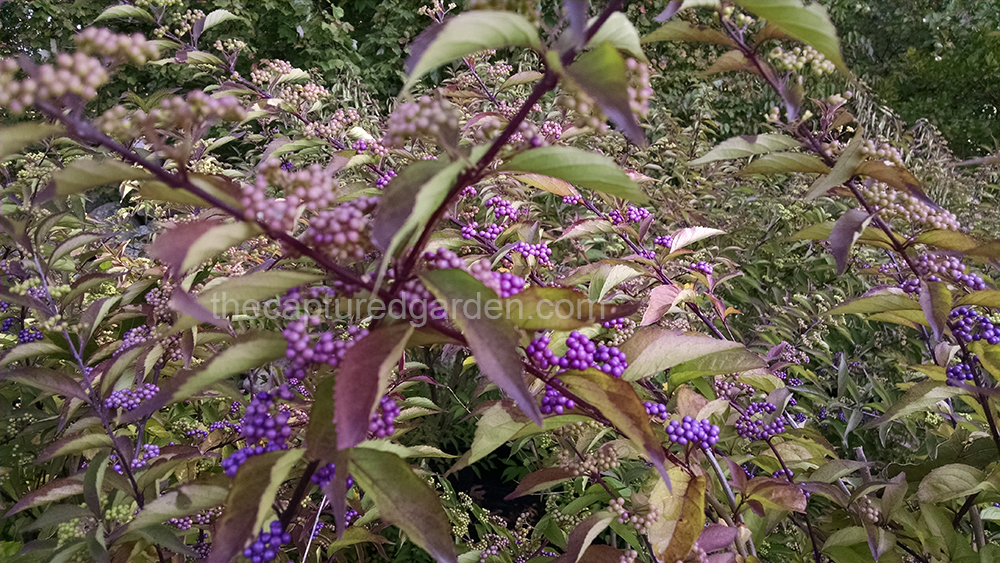
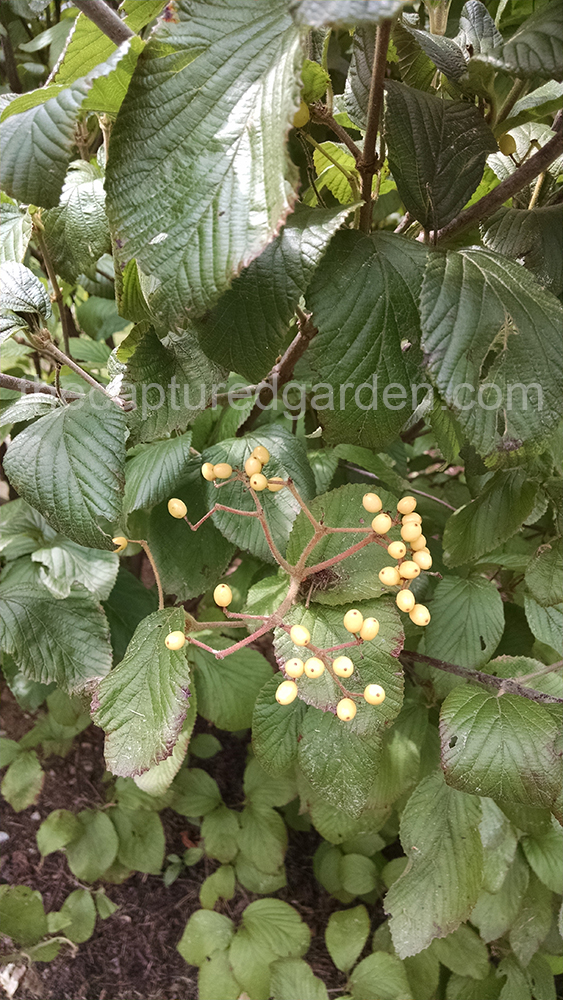
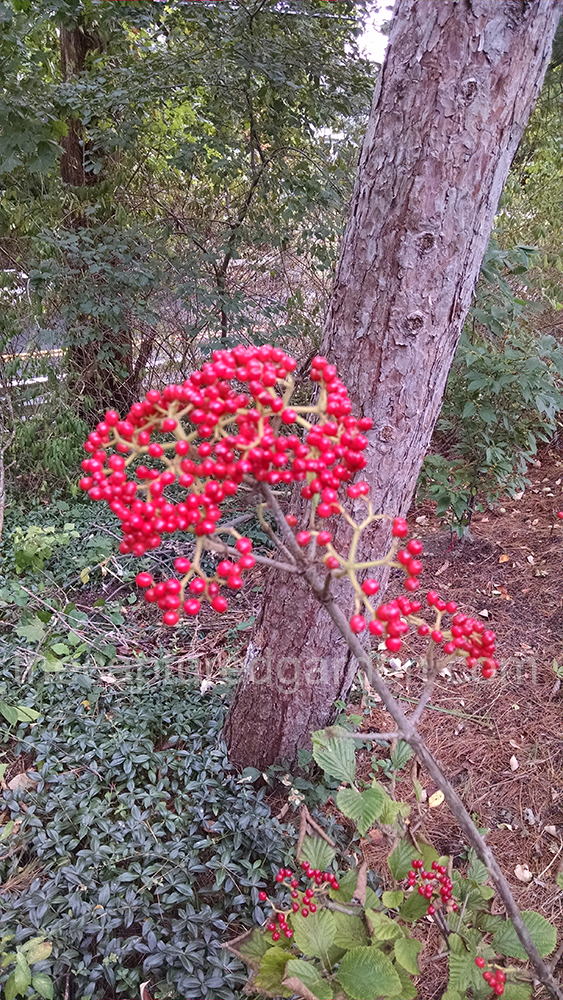
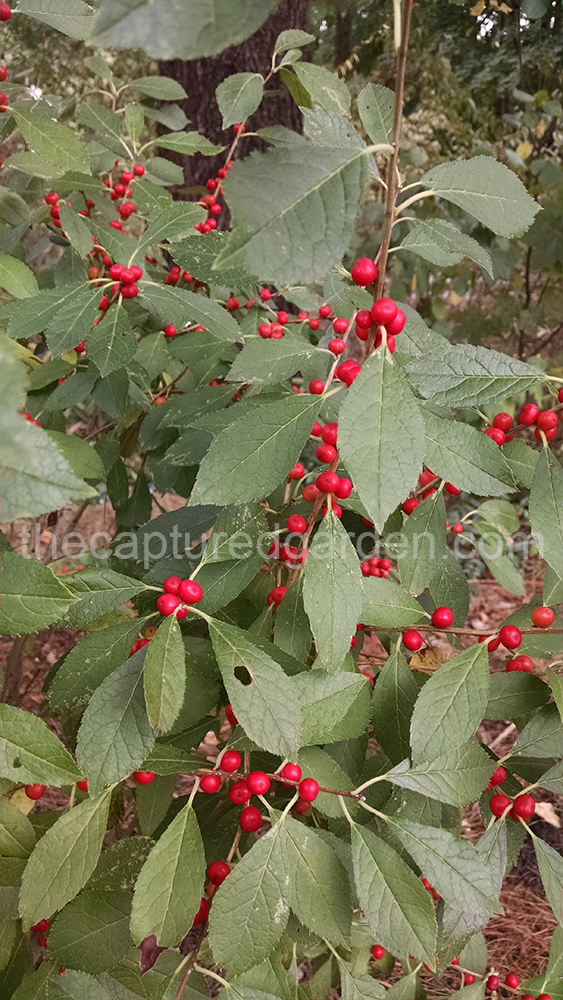
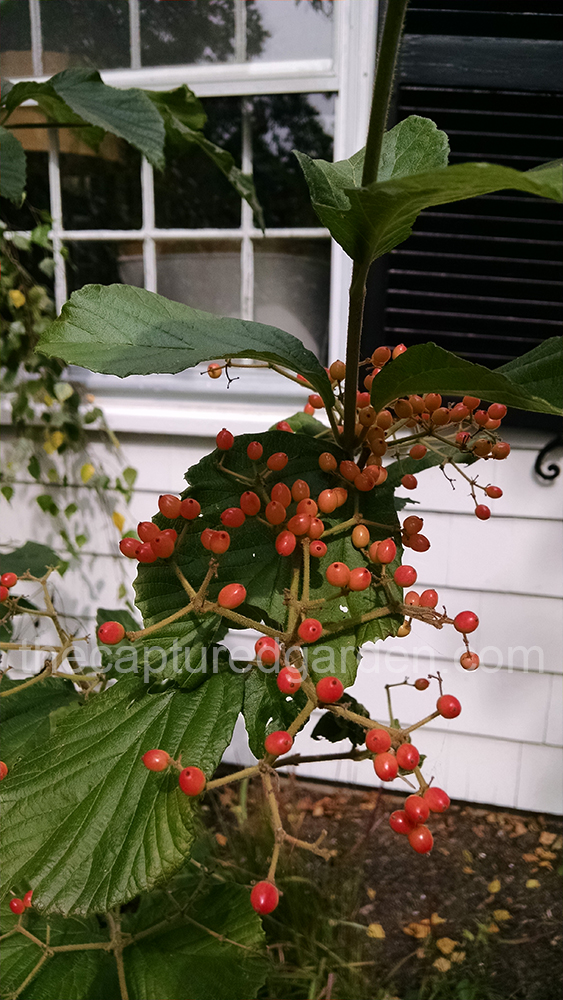
Autumn is a wonderful time to appreciate berries as shrubs shed their leaves and allow the fruits of their labors to take center stage. Some of my favorites for great berries are the Viburnums. In fact, I believe no garden should be without a Viburnum. If you would like to learn more (and figure out which one is best for your garden) I highly recommend Michael Dirr’s book, Viburnums.
I currently have three viburnums in my garden. I love orange and Viburnum dilatatum ‘Tandoori Orange’ from Proven Winners is a showstopper with its bright orange berries. Viburnum dilatatum ‘Cardinal Candy’, also from Proven Winners, has the more typical red berries associated with the plant. I think my favorite is Viburnum dilatatum ‘Michael Dodge’ with creamy peachy/yellow berries; I had seen it years ago at an arboretum and finally found one which is now very much at home in my garden.
Callicarpa, or Beautyberry, is another gorgeous fall shrub. Purple berries line the stems and are irresistible to birds. And speaking of birds, I once asked Joann Vieira, the Director of Horticulture at The Trustees of Reservations, what she would recommend as the best plant to attract birds and she said ilex verticillata, or winterberry holly; I have been working on a bird garden on my property and after talking with Joann I went right out and purchased several.
Container Gardens to Fall For.
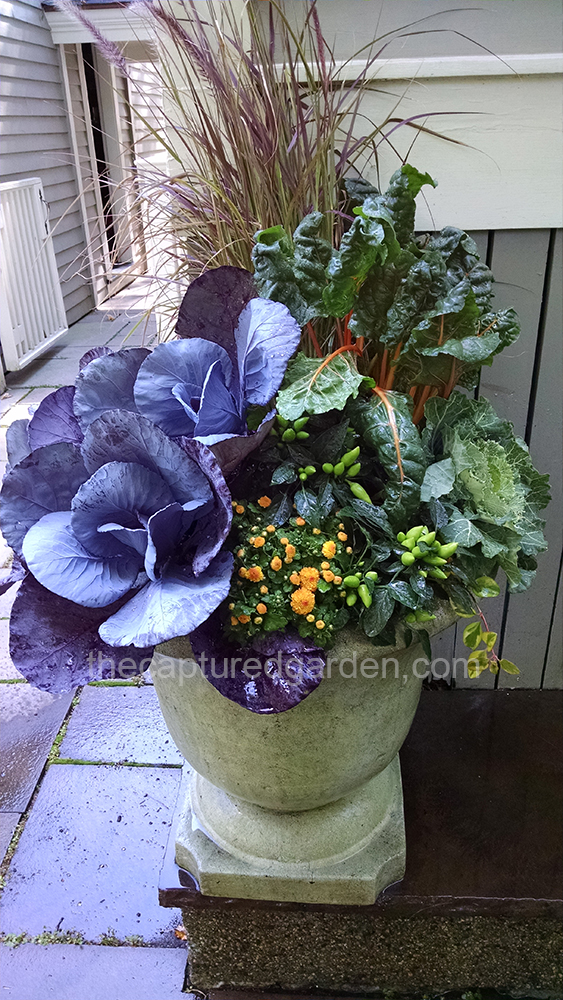
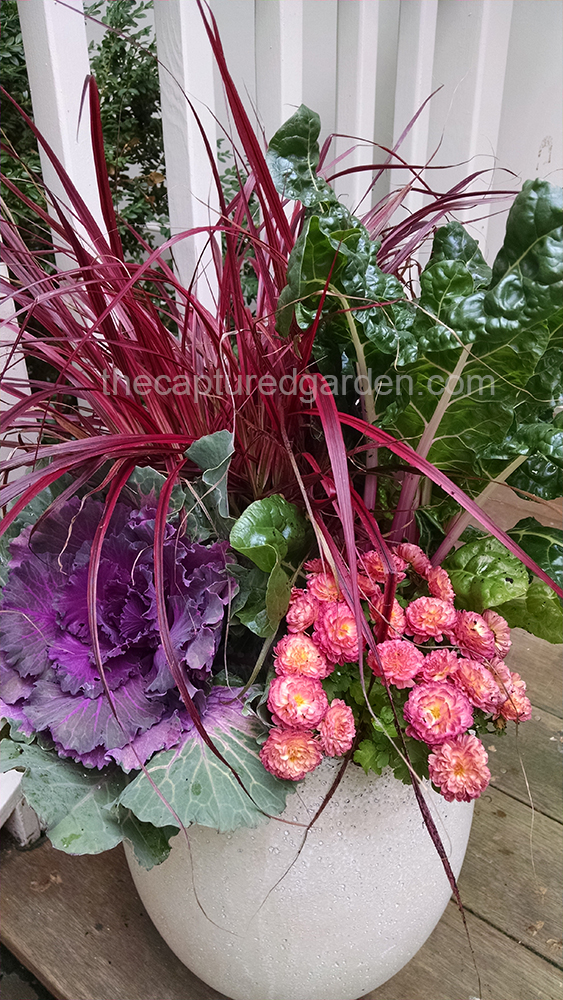
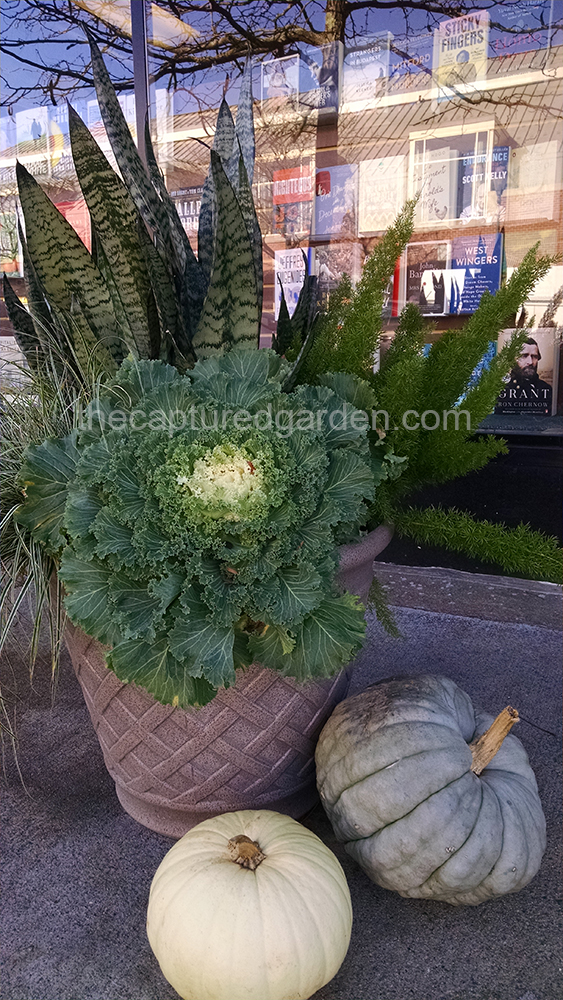
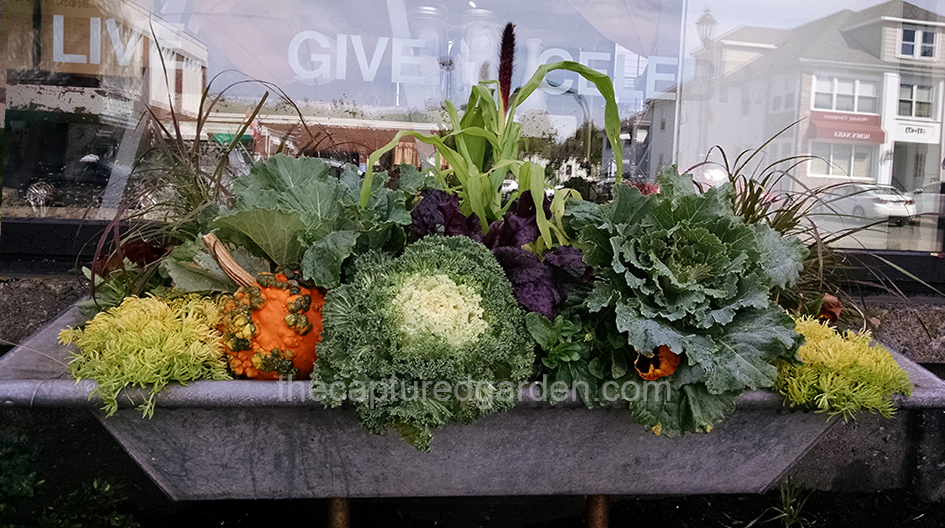
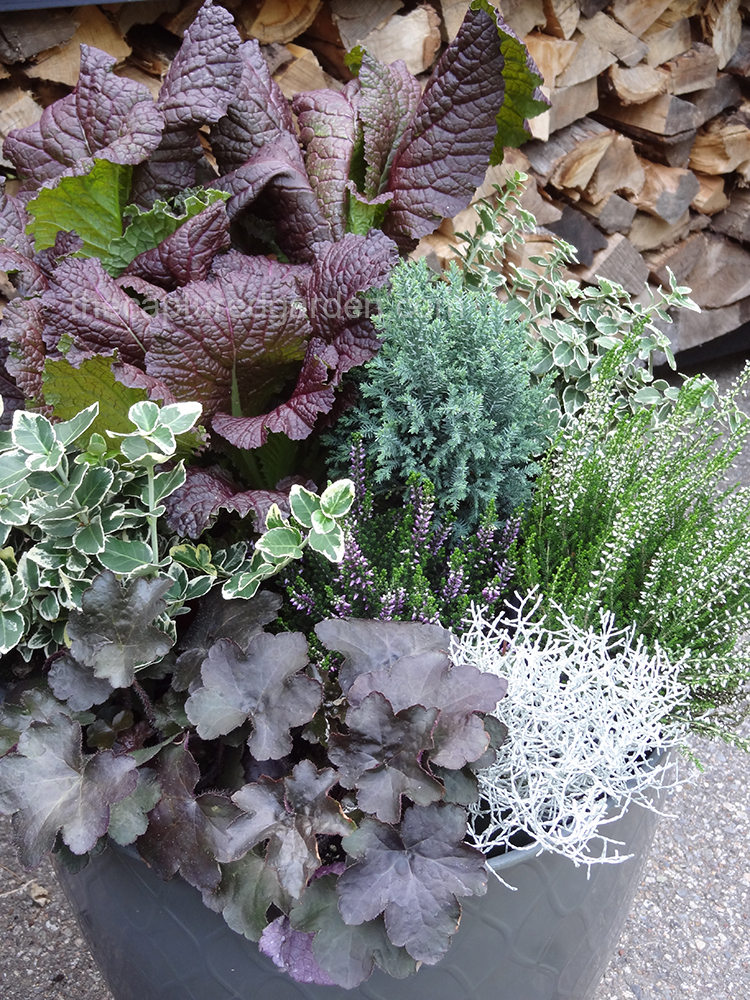
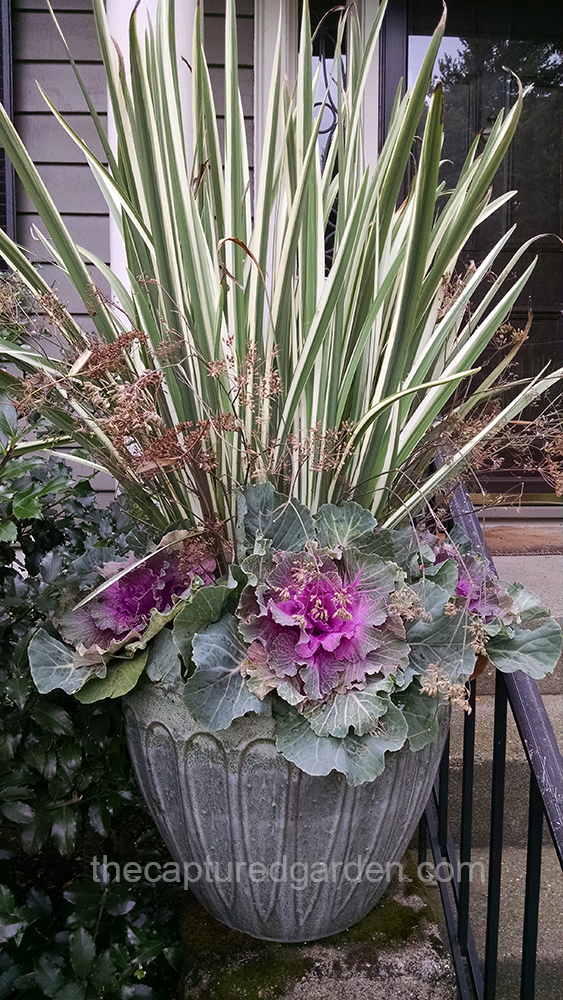
Fall container gardens are some of the most fun (and challenging!) to create. Plant material must be able to handle temperature extremes since one day can be a balmy 70 degrees and the next can be in the high 30’s. So, what’s the trick for creating fall containers, like ours, that look good from September until the end of November? One word: foliage.
Creating a long-lasting fall container garden is not hard if you focus on foliage. There are many great, and colorful, options that you can incorporate into your fall designs. Cabbages, kales, Swiss chards (especially the Bright Lights series), heuchera, and euphorbia are all wonderful options. Cool season herbs and veggies like sage or lettuce are great fillers. Perennials like amsonia and bergenia can be planted in summer containers and allowed to transition into fall. As the weather cools the ferny foliage of the amsonia will turn buttery yellow and the leathery leaves of the bergenia will begin to tinge pink.
Fall is such a beautiful time of year, why not keep the beauty going with your container gardens?

Late bloomers
No, I am not talking about the awkward middle school years, although I would definitely be in that group. I am talking about perennials that bloom late summer into fall. These are invaluable players in any good garden design. The spring garden is beautiful with its show of bulbs and ephemerals and the summer garden wows with its peonies and roses. But what happens in September and October? If your garden starts to fall asleep consider a few of these less expected “late bloomers” to wake it up.
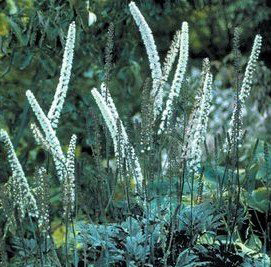
Actaea. This is one of my all-time favorite late blooming perennials. Actaea (formerly cimicifuga) has a beautiful base of fern-like foliage and beginning in summer and continuing through fall the plant sends up stems topped with white bottle-brush shaped flowers. What I love most about this plant is the fragrance; to me it smells like grape jelly. Make sure to site actaea where its delicious smell can be enjoyed – I have three plants by my side door and the fragrance greets me whether I am coming or going. Actaea likes shade to part-shade in rich soil. It can take a bit more sun but will start to crisp if not given enough water. I love the dark-foliaged varieties like ‘Hillside Black Beauty’ or ‘Brunette’.
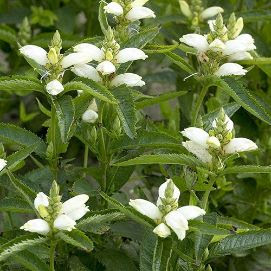
Chelone glabra. Also known as turtlehead this is another great perennial. Good in full sun to part shade chelone does not like to dry out so it would be perfect for a wet spot in the garden. It forms a nice clump between 2’-3’ and blooms from August to September. As a beekeeper I know how popular it is with pollinators – it even contains compounds that scientists have found bees use to self-medicate. Chelone is primarily pink but I have the true chelone glabra which is white.
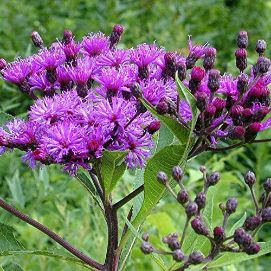
Vernonia. If you are looking to attract hummingbirds and butterflies this is the perennial for you. Vernonia, also known as Ironweed, is an easy-to-grow sun-loving native that will reward you with beautiful purple blooms from August through September. Ironweed can be large – up to six-feet – so it makes a great statement at the back of the border. For those with smaller garden Vernonia lettermanii ‘Iron Butterfly’ might be a good choice. This ironweed stays under 3’x3’ and unlike some vernonias is very drought tolerant once established. Vernonia lettermannii ‘Iron Butterfly’ is one of Piet Oudolf’s “Must Have” plants and is massed at New York City’s Highline and Chicago’s Lurie Garden.
Prune here perennials
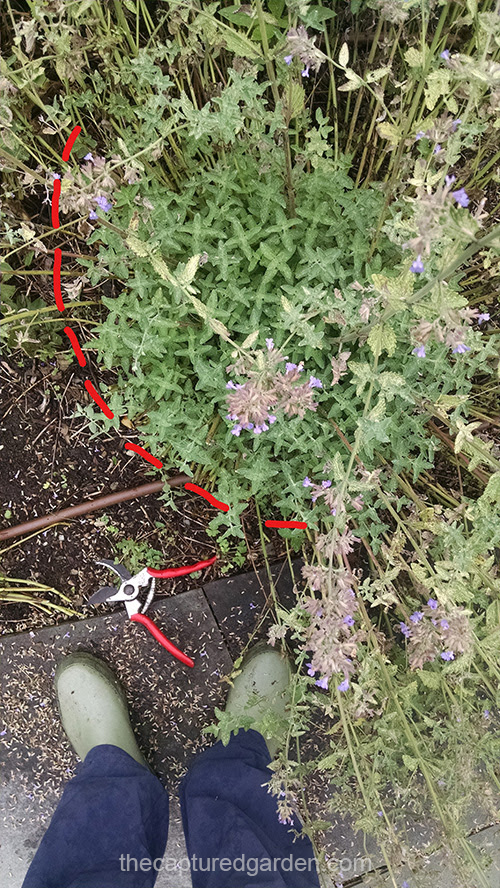
Wouldn’t it be nice if gardening was easy and plants actually told you what they wanted? Some of them do. When it comes to pruning there are some that I call “prune here perennials”. These are perennials, like nepeta, that flop open after their first bloom. New growth makes a neat mound inside the plant and the area between is basically where to cut. By doing this after the first flush of bloom you can get a second round of beautiful purple flowers. I also have had success with this method with salvia. Threadleaf coreopsis and lamium also benefit from pruning back. Yarrow is another candidate, although it does not always re-bloom, it puts out fresh, good-looking new growth.
Follow Us!